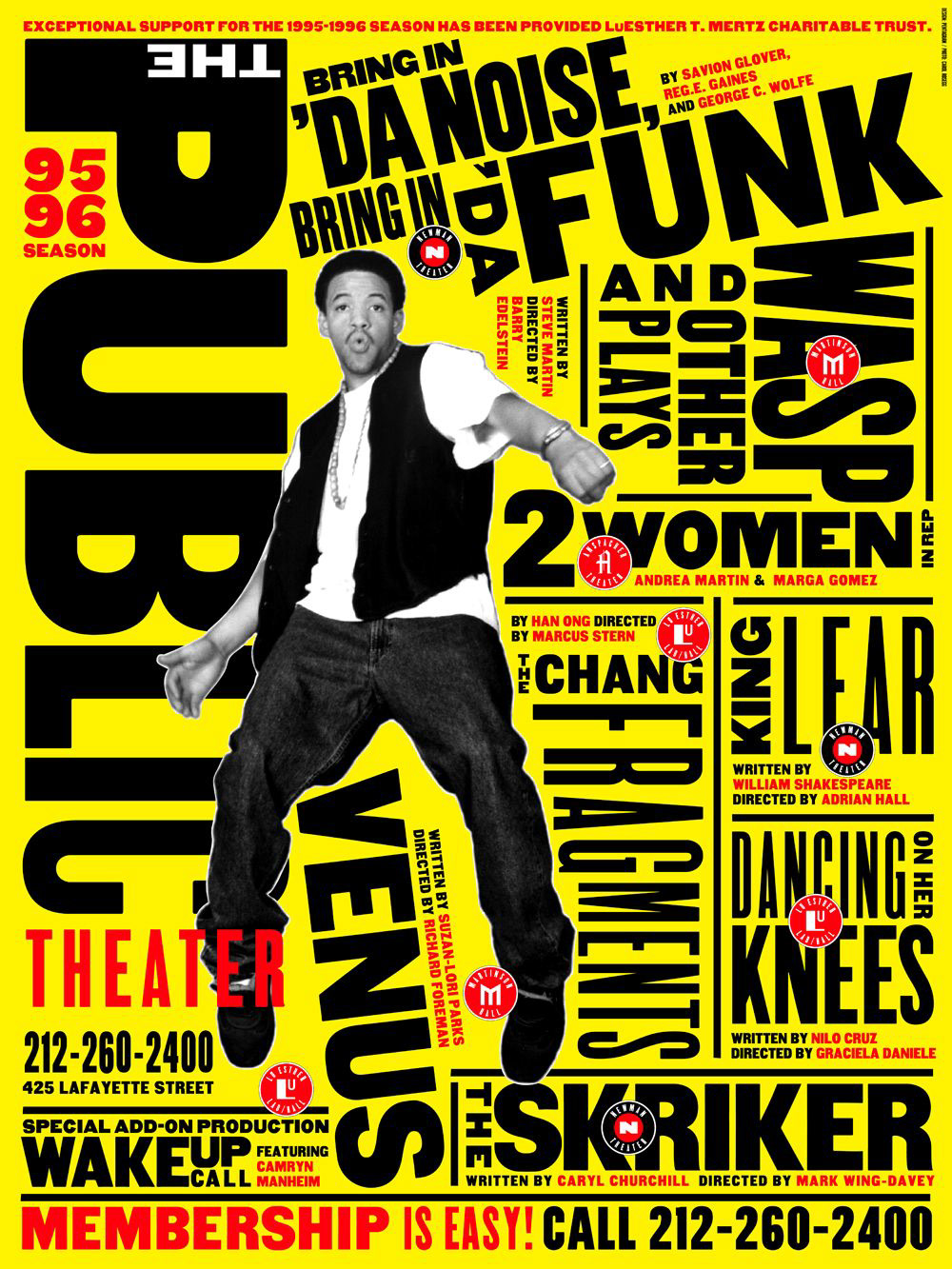
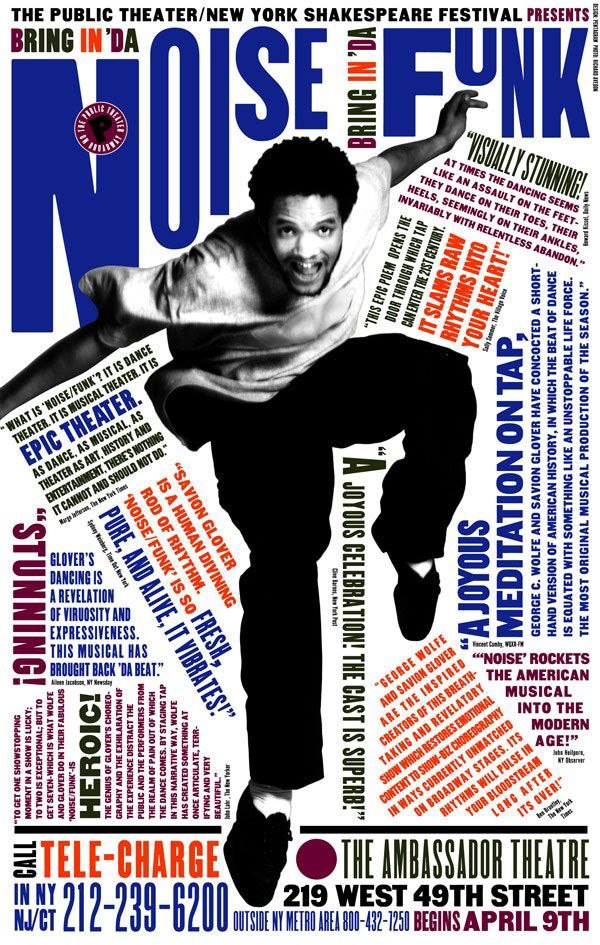
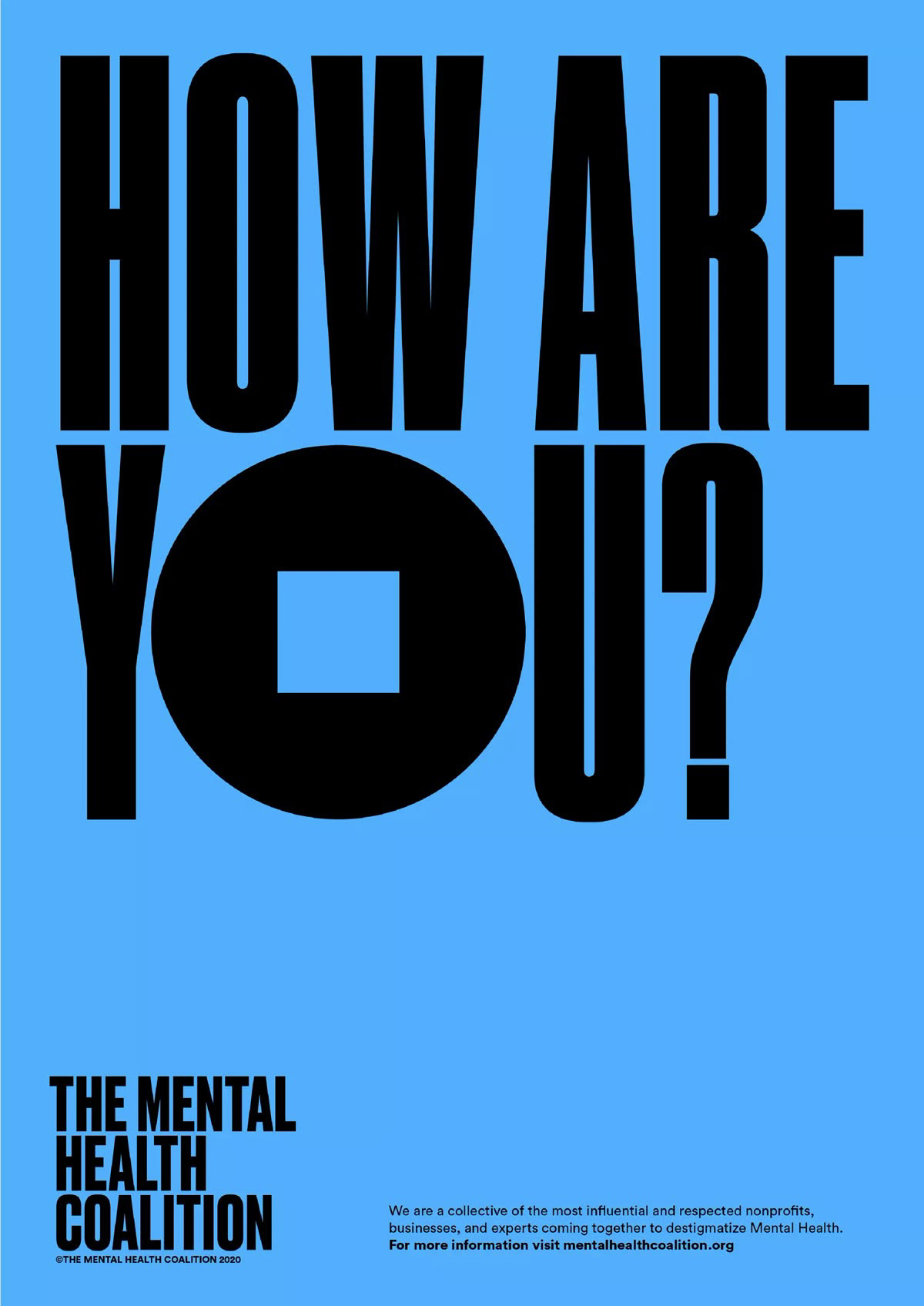
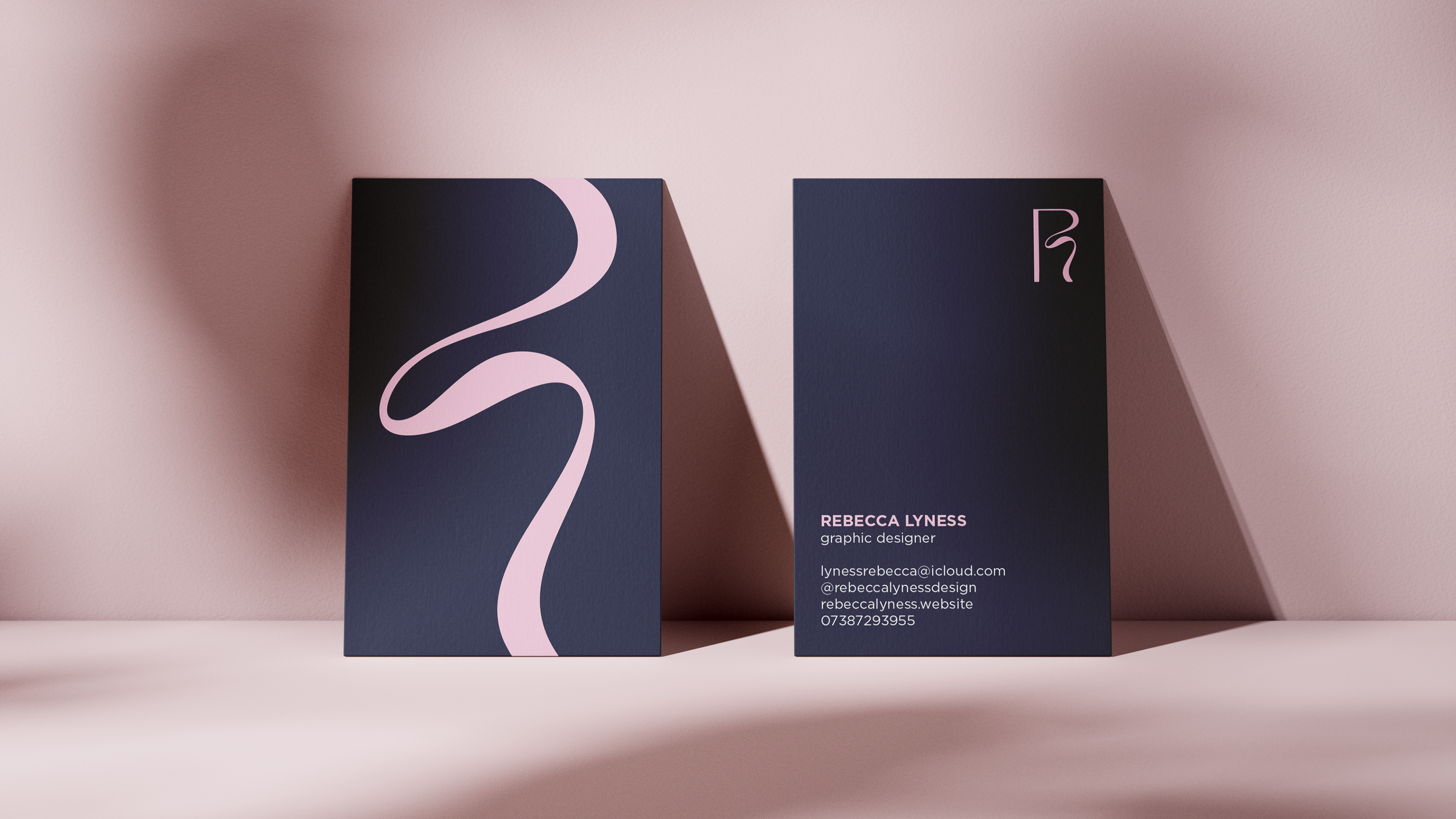
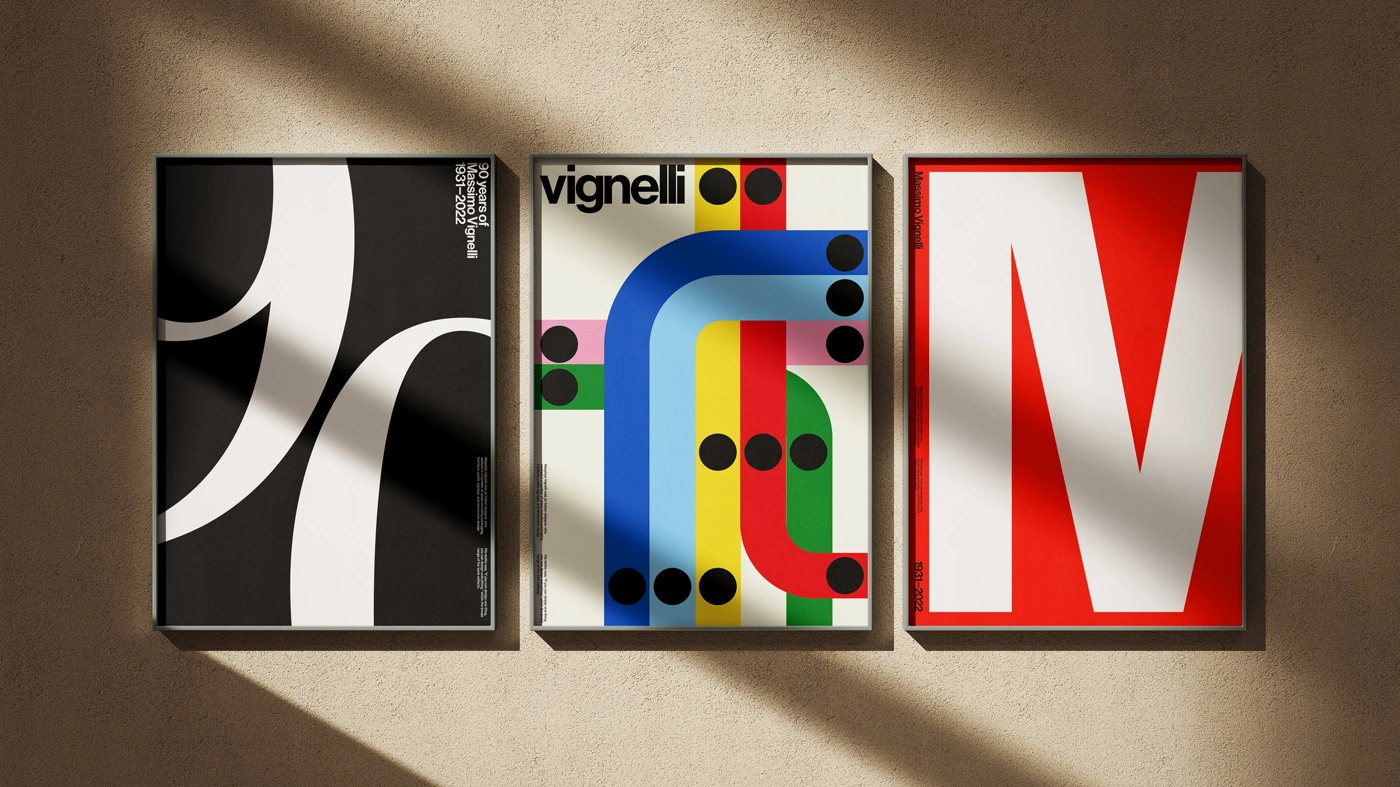
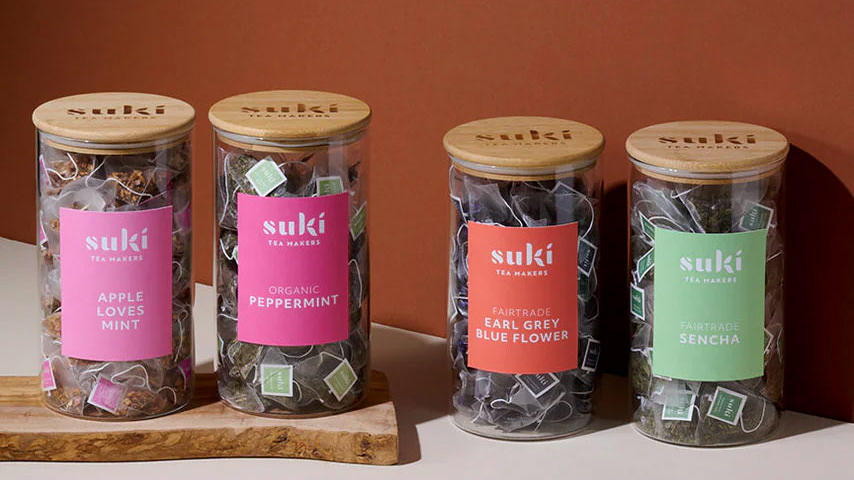
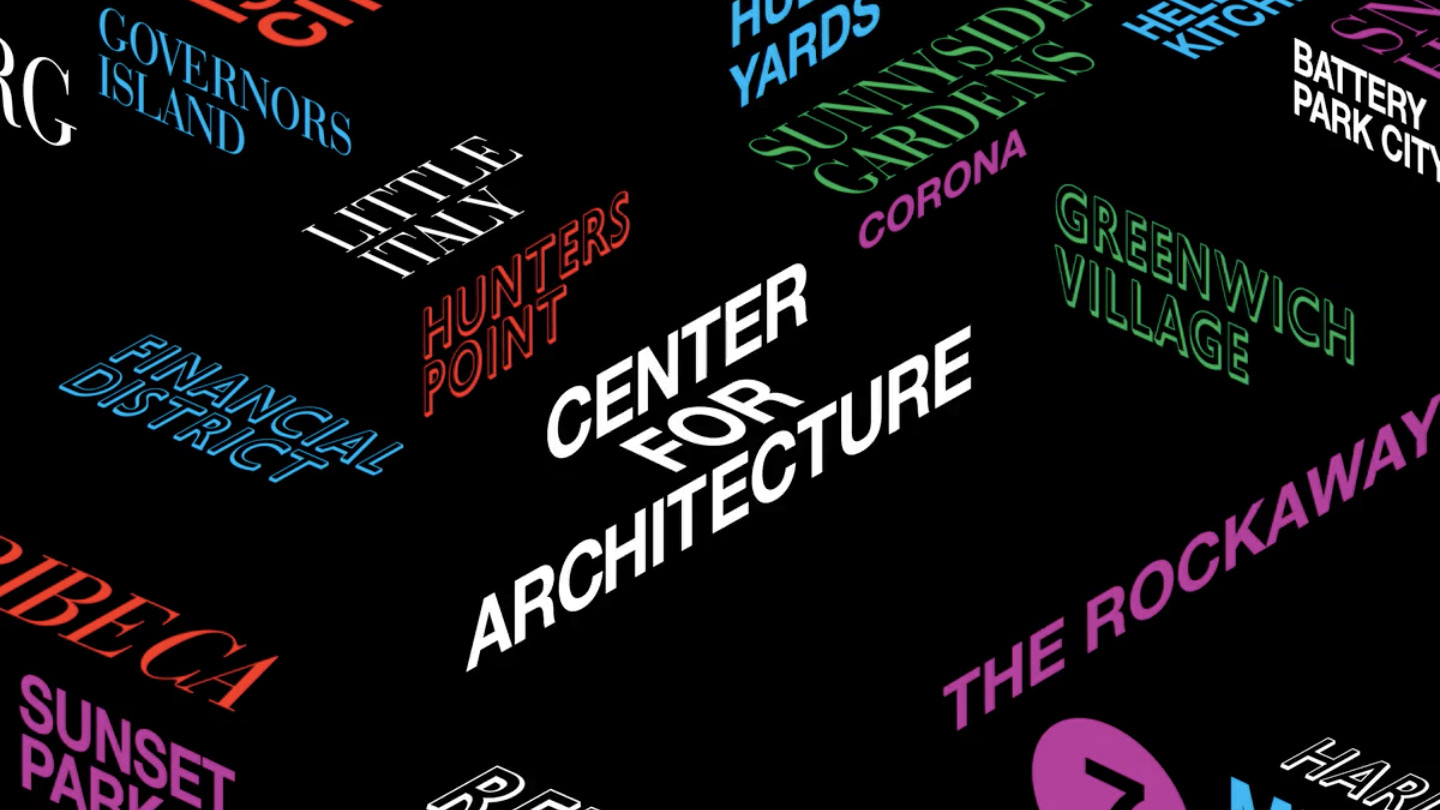
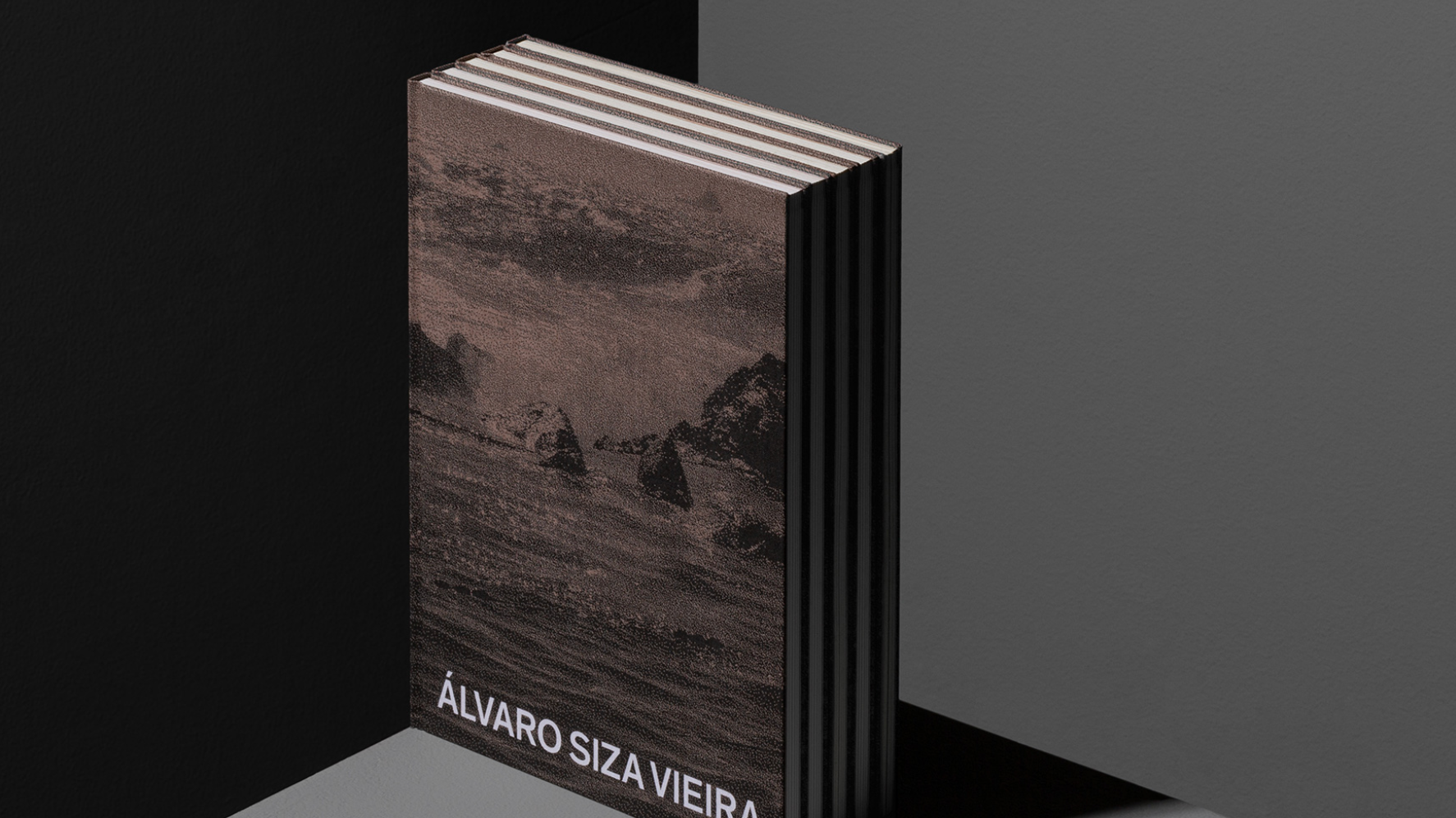
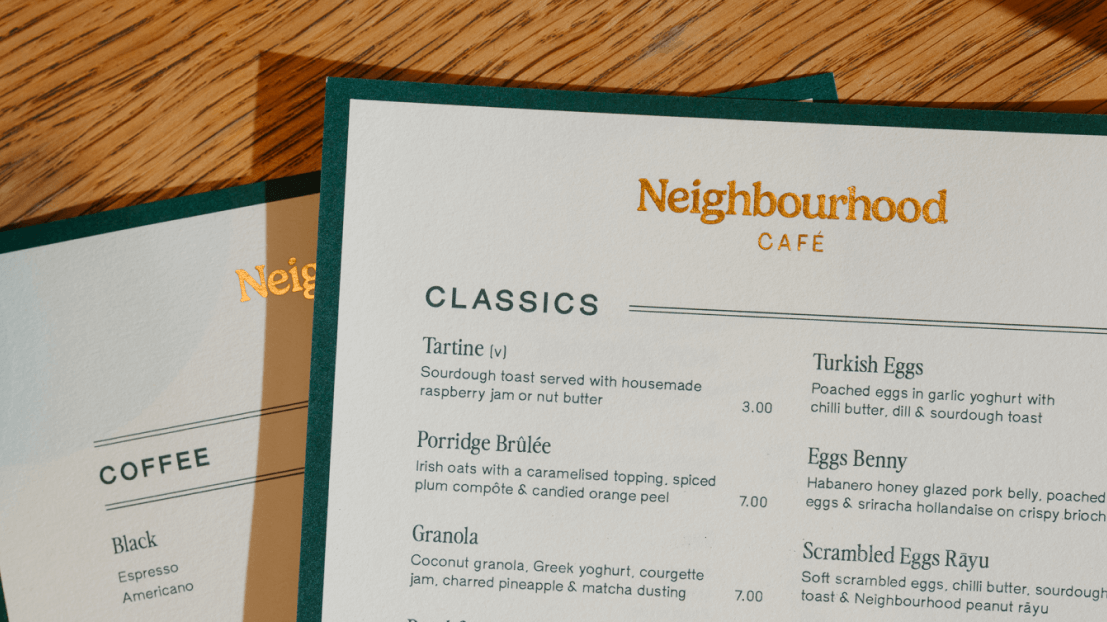
A crucial element to branding is typography as not only is it important for legibility, but it evokes emotions and conveys subtle messages about a brand’s identity. Typography exceeds aesthetics and stimulates psychological responses. Within my placement and third year so far, typography has gravitated to me even more as I find it a significantly powerful tool within branding and design.
Each typeface connotes different feelings and tone which is why this is crucial in not only understanding them but choosing the right one to suit a brand and or any design. To illustrate, serif fonts often evoke tradition and trustworthy due to its timelessness decorative strokes. This allows serif fonts to suit law, finance and publishing to convey a sense of authority; along with brands that’s primary focus is heritage and reliability. Serif fonts include characteristics such as small lines or ‘feet’ attached to the end of letter strokes such as Garamond, New Times Roman or Bodoni.
Sans serif fonts are clean, modern and approachable which allows for legibility, particularly for screens. These fonts are also minimal and feel fresh which makes them ideal for digital brands, tech companies or modern and innovative brands. Their characteristics tend to be straight edged with minimal to no decorative terminals. Sans serif also allows for a contemporary feel and demonstrate structure with their geometric forms and shapes. Examples of these fonts include Helvetica, Gotham, Poppins or Futura.
On the other hand, script fonts have connected letterforms which can be described as decorative, romantic and elegant. There is two categories for script fonts which is formal and casual. Formal leans more traditional which can be most popular for invitations or wedding stationery; and casual offers a more friendly tone and can be seen on a variety of media and a part of modern brands. Script fonts add a personal authentic and human touch which many well-known brands such as Kellogg’s and Coca-Cola to aid their welcoming and friendly image.
Furthermore, the previous examples all radiate different energy and provide distinctive visual voices. Typography not only guides the reader’s attention through visual hierarchy to allow communication to be clear but evidently also influences how a brand is perceived. This is due to typography having the power to resonate with consumers which forms connections and build loyal relationships.