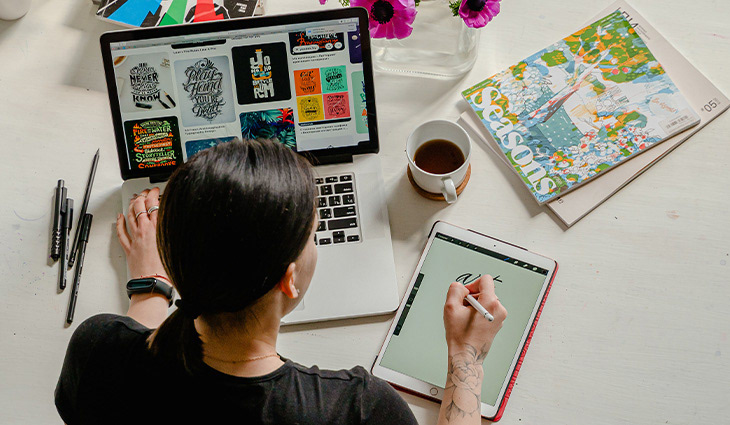
Artificial Intelligence has quickly embedded itself into the design industry from automated logos to creating images. This offers a faster paced design and can provide efficiency for designers and clients. However, this approach removes human creativity which is needed for a long-term brand or identity that will offer consistency, connection and originality. When designers rely heavily on AI, their work and visual language weakens and along with their problem solving and conceptual thinking skills.
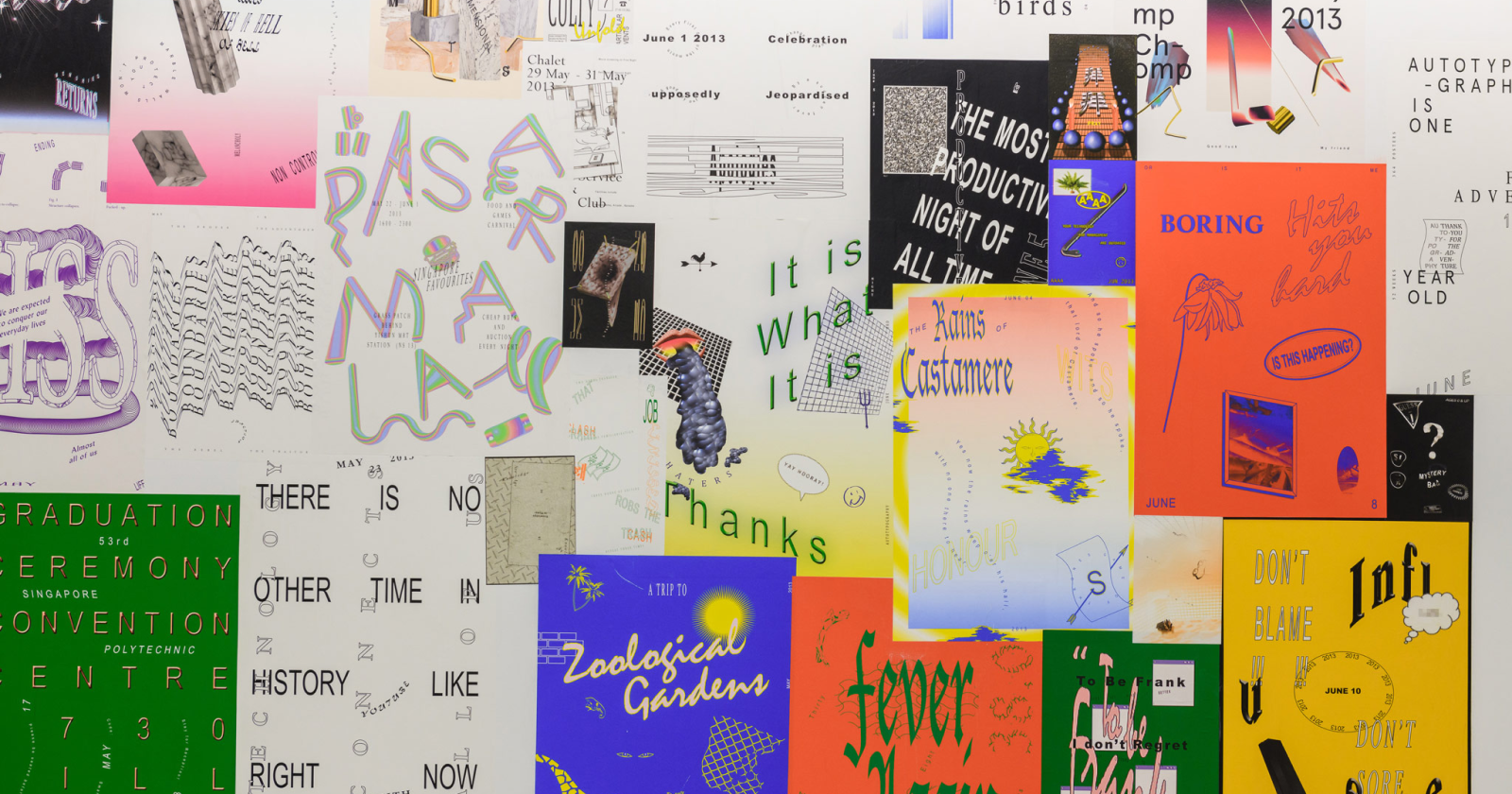
Strong designs are not primarily centred around aesthetics but context, culture, emotion and intention. AI on the other hand does not understand these key elements to design as it only predicts patterns based on existing designs and data. Therefore, design loses unique qualities and struggles to stand out amongst competitors. The use of AI also decreases the passion of craft as it is not aware of typographic sensitivity, micro adjustments in layout and material or print awareness. AI cannot fixate over the small things such as viewing alignment at 400% zoom and perfecting elements, so they work in harmony. When prioritising speed, quality will therefore decline. Further, AI cannot generate human insight or the desire to connect and resonate with consumers. Strong designs can be built on the foundation of the small experiences and personal perspectives that designers inhabit. Humans live and experience grief, joy and culture which when carried through to design approaches, allows for an authentic voice that AI can only mimic.
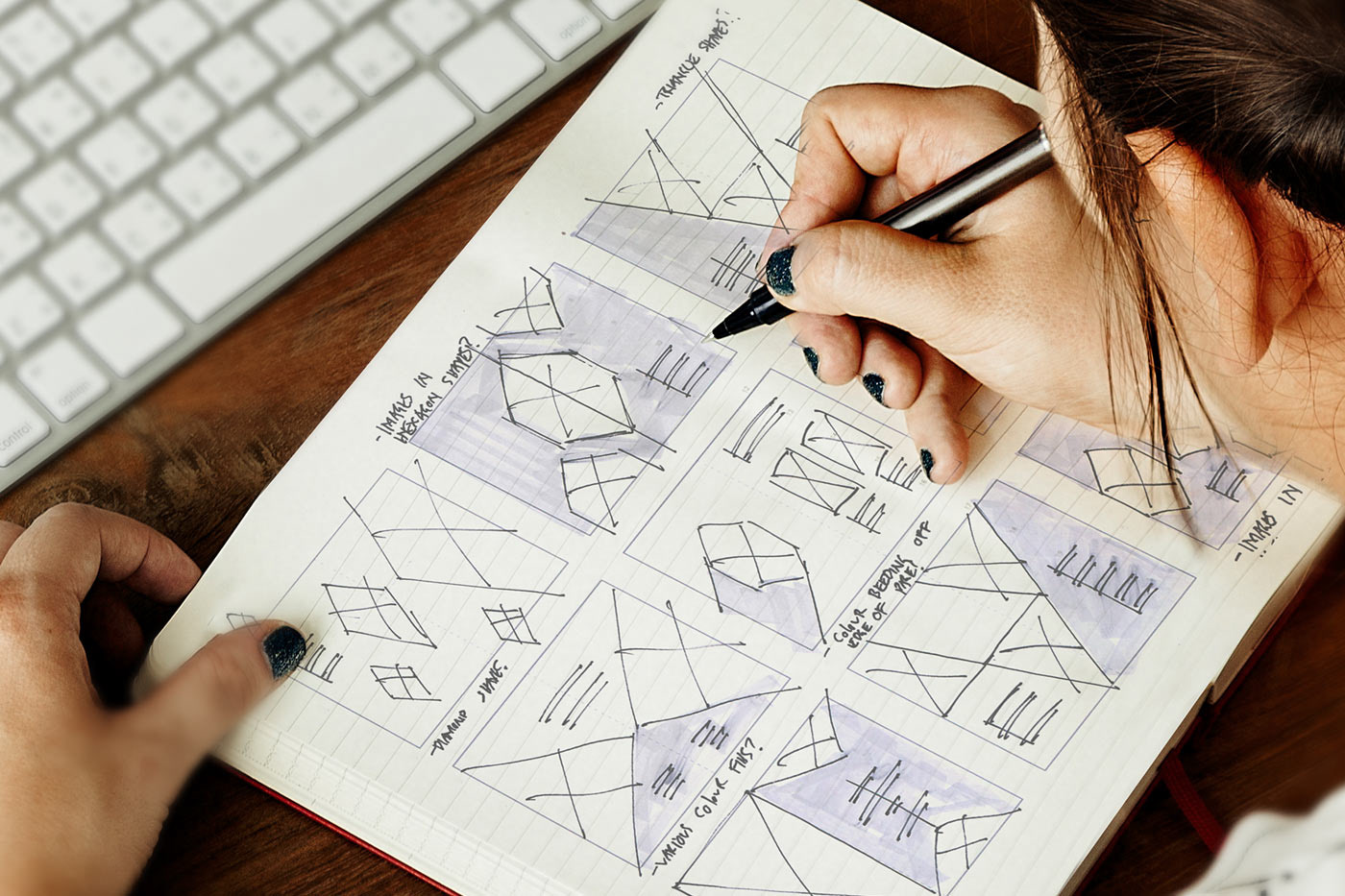
Human struggle is not inefficiency; it is a part of a process that creates a well thought out and creative design and outcome. AI cannot generate the development of multiple mind maps of sketches holding good and bad ideas that can lead to unexpected directions. It only removes the friction and time but in doing so, the human creativity and originality. Although technology has always advanced design, it has always relied on human decision making.