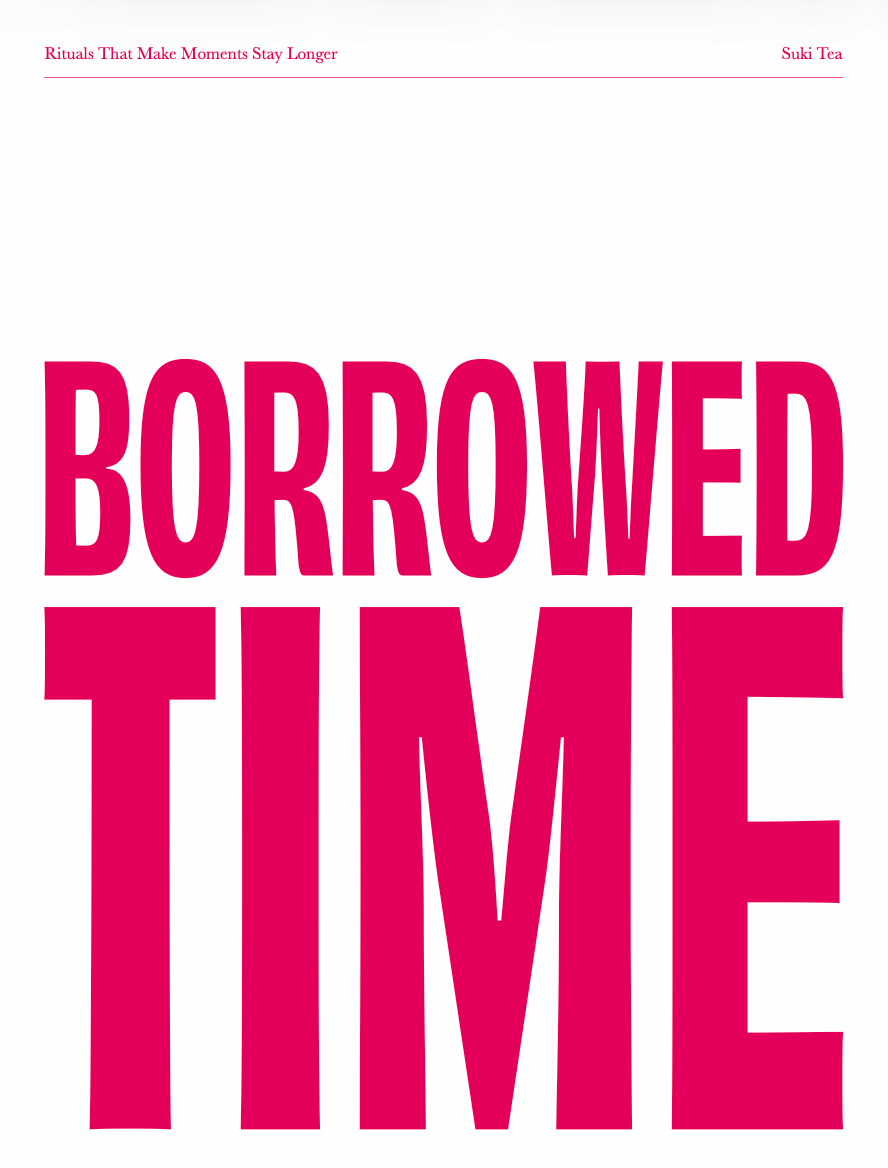
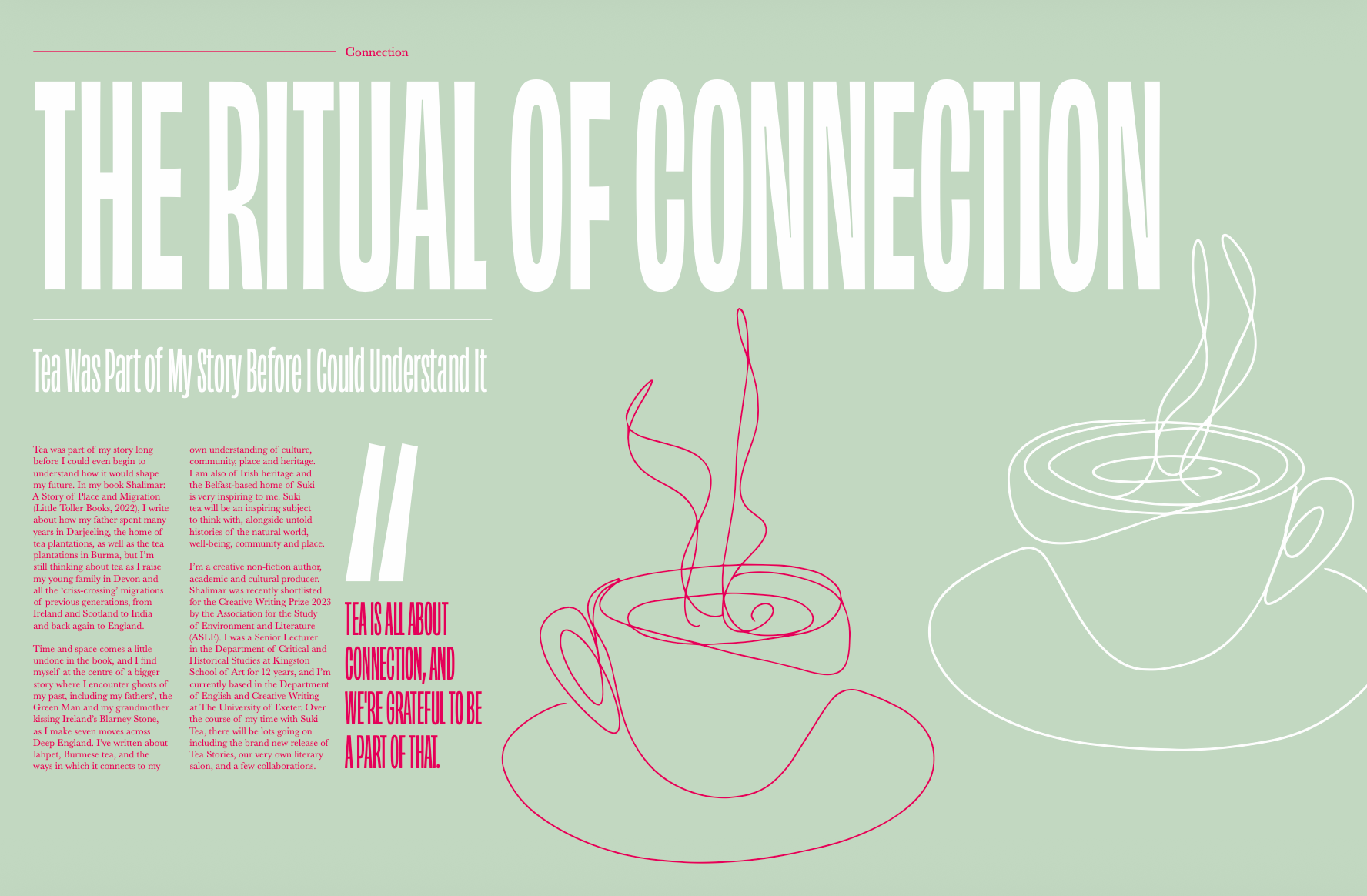
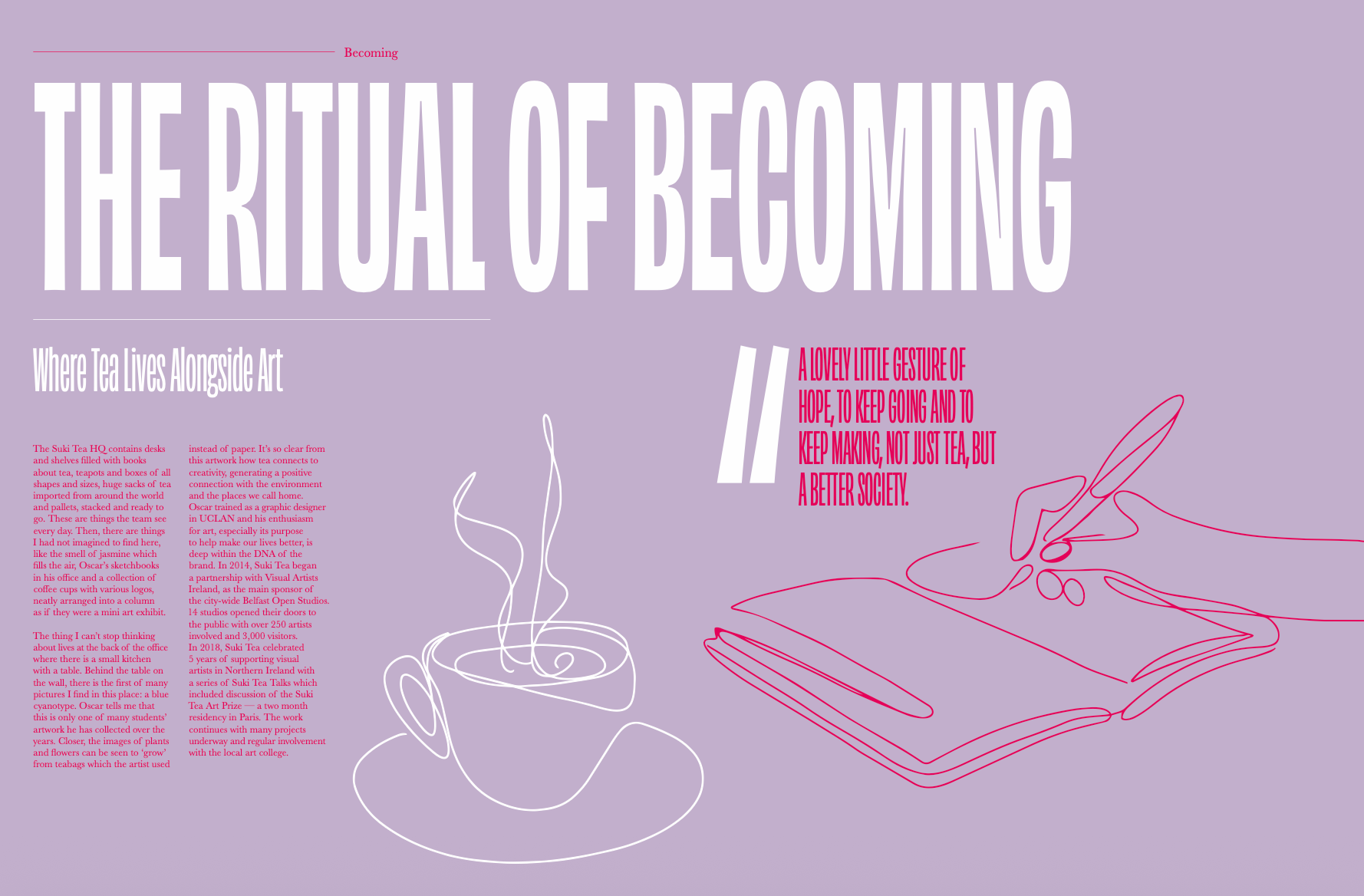
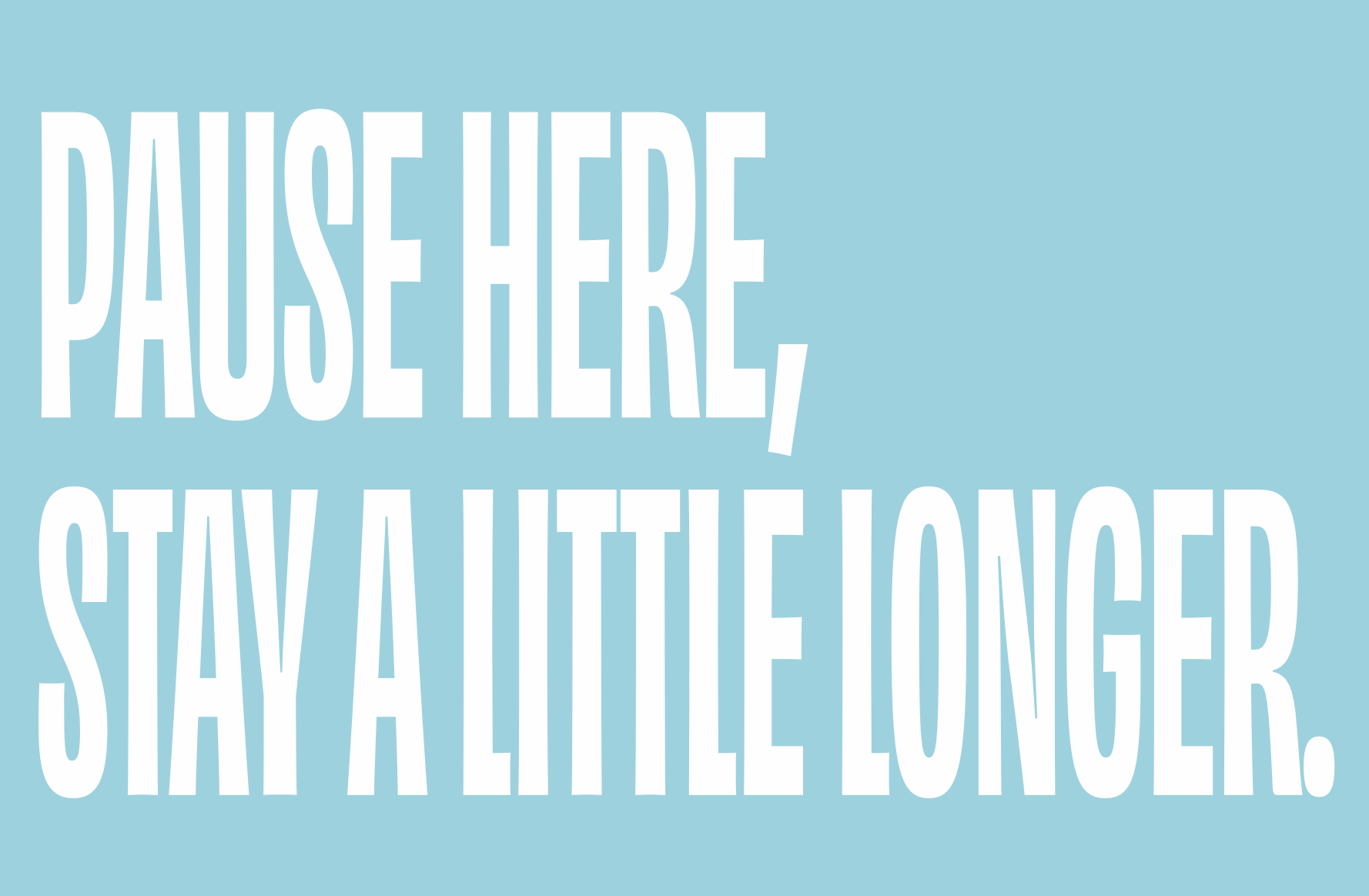
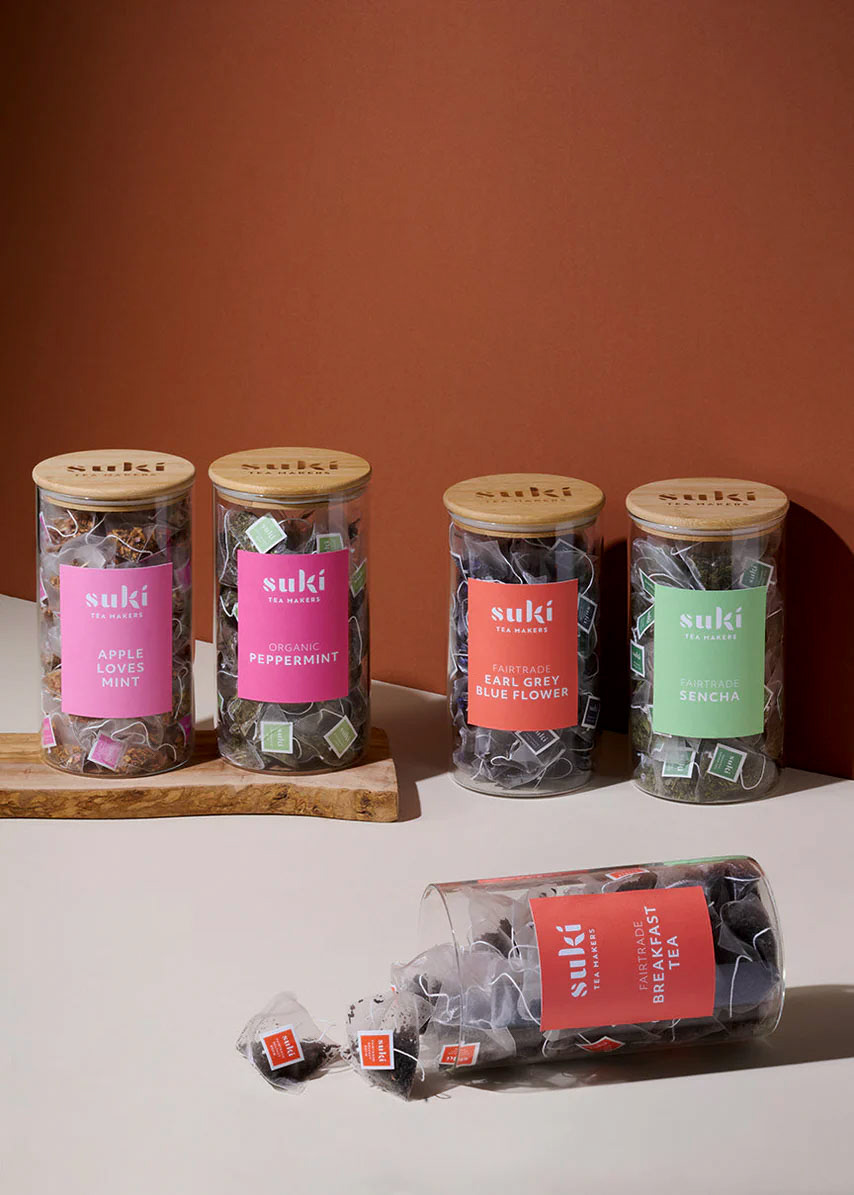
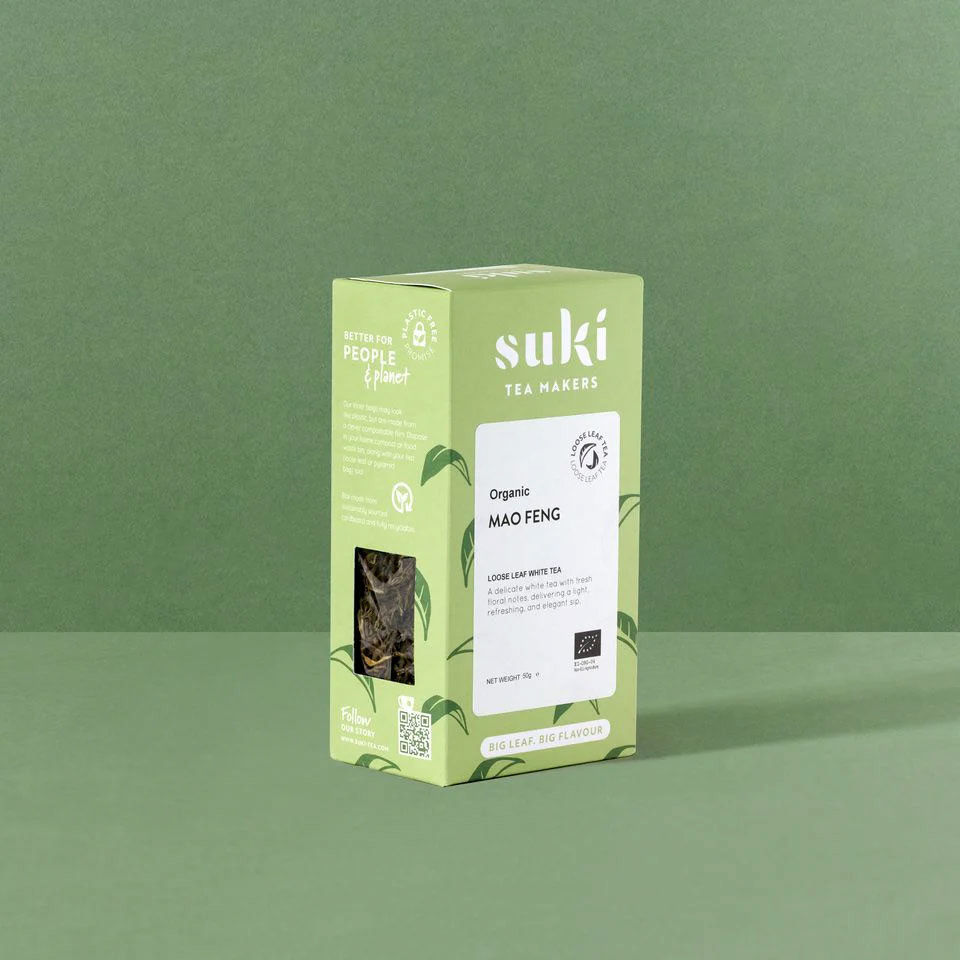
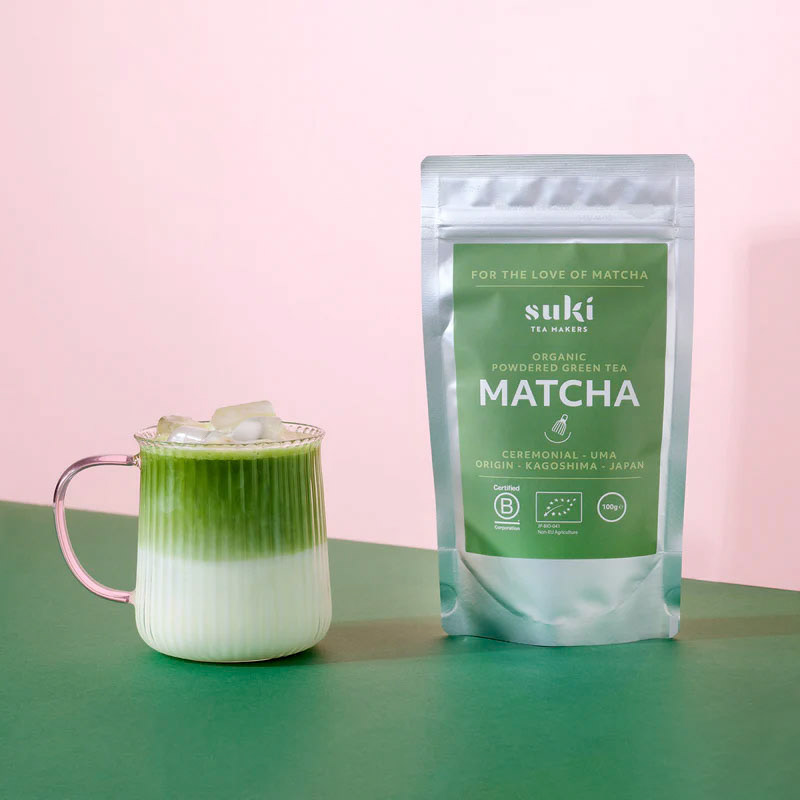
Through client meetings, one of the main insights I gained was the idea of tea as a ritual and how it encourages people to slow down and become more present. The client spoke about tea as something connected to storytelling, community, and everyday experiences rather than simply a product, which became the foundation of my concept. This led me to develop an editorial centred around different tea rituals including pause, connection, becoming, and return, allowing the supplied stories and poems from Suki Tea to be organised through themes of time, memory, and human connection.
Working on placement previously helped me approach this brief with a stronger sense of industry awareness and professionalism, particularly when responding directly to client feedback and understanding how to balance concept with audience engagement. This experience helped me recognise the importance of creating a clear visual identity while still meeting the client’s request for a modern, type-led editorial design that would appeal to contemporary café audiences.
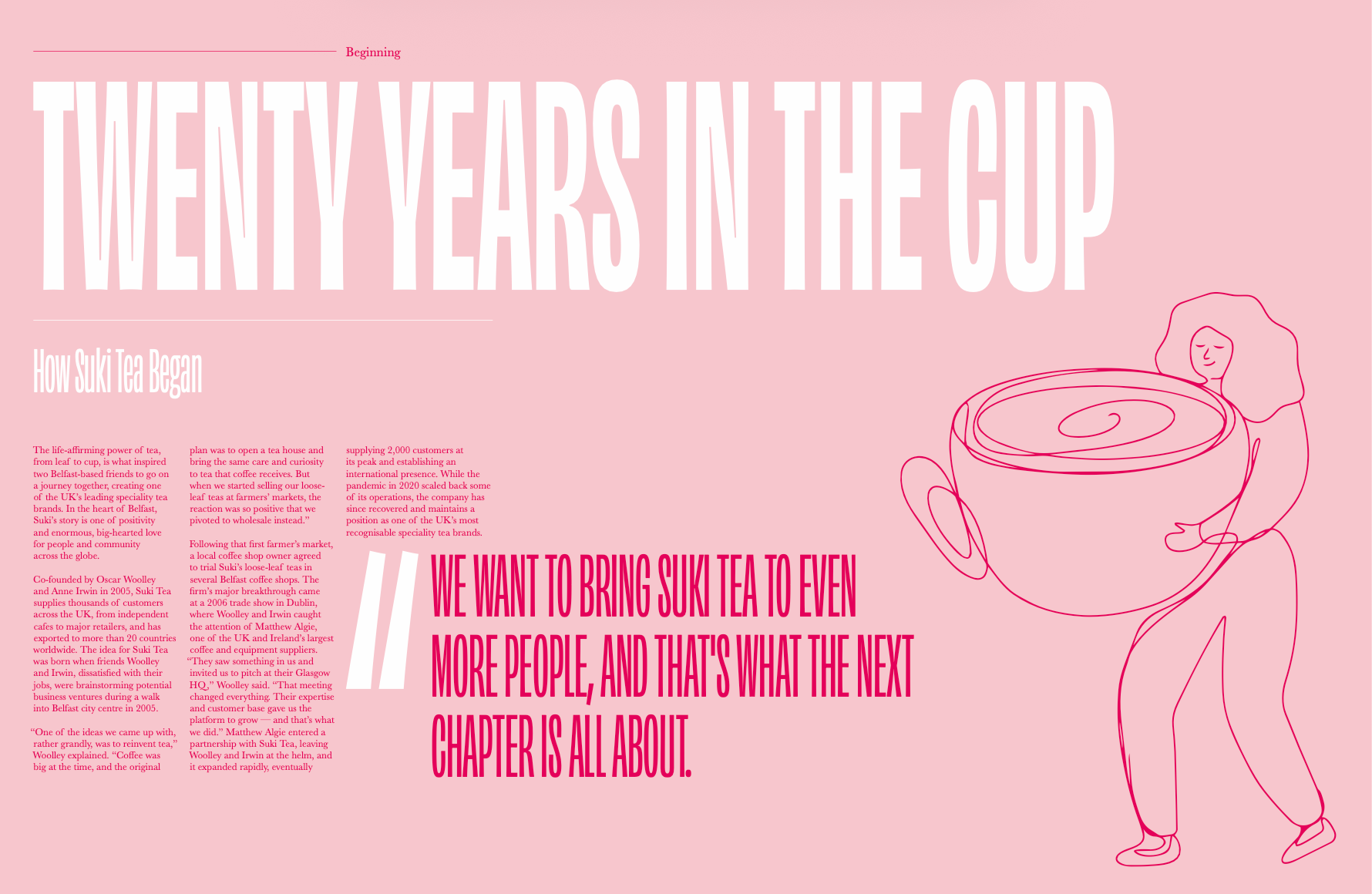
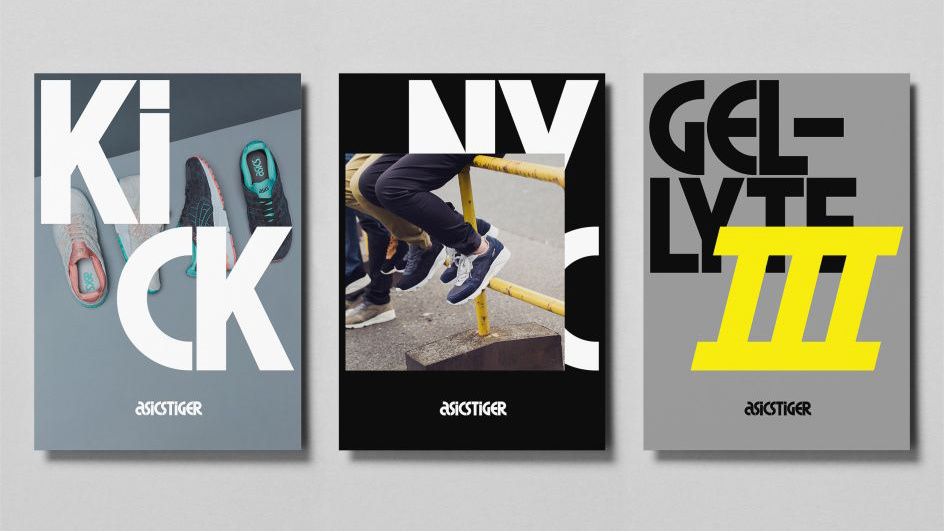
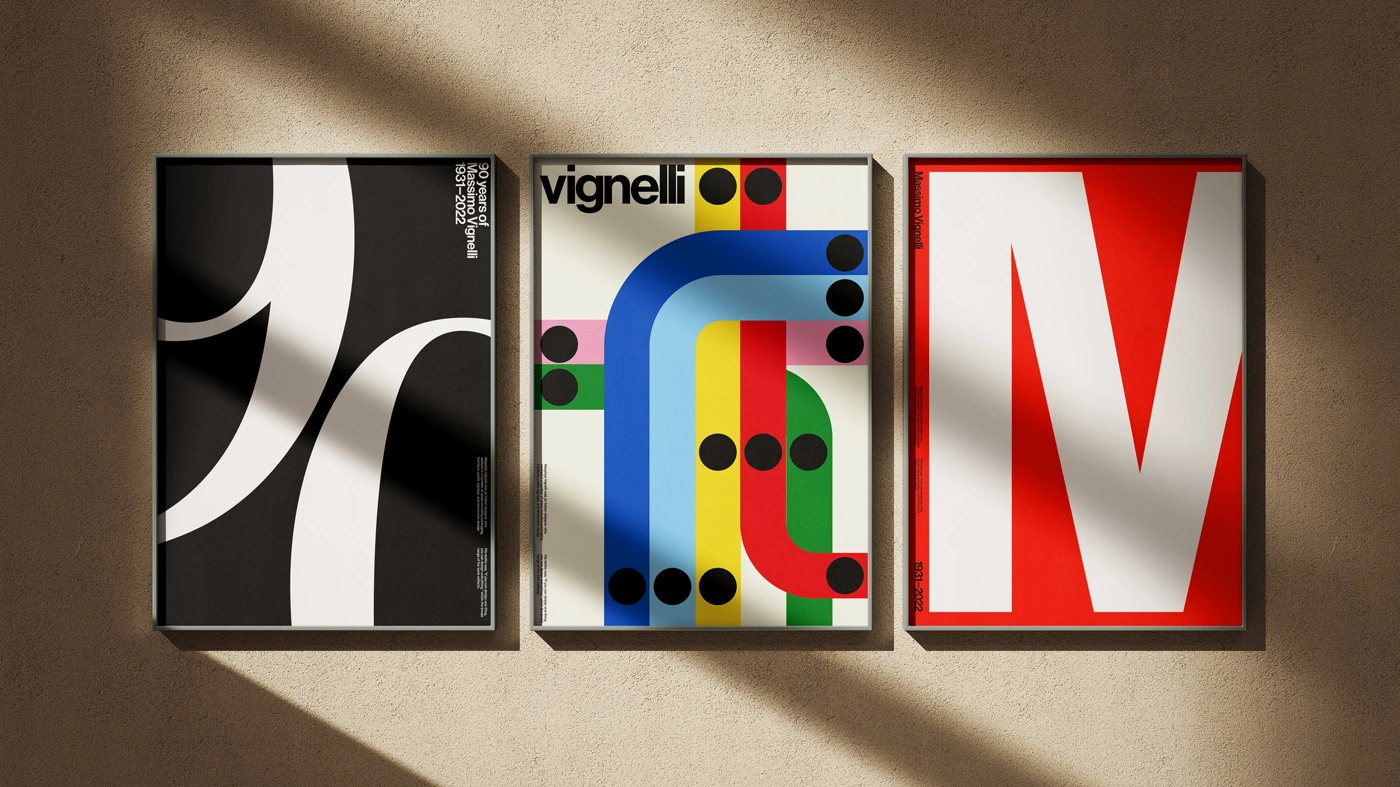
To respond to this, I combined bold contemporary typography with more traditional serif body copy, creating a balance between modern editorial design and the heritage associated with tea culture. I also developed a soft pastel colour palette and minimal line illustrations to create a calm, reflective aesthetic that supports the themes of rituals and storytelling throughout the publication.
Rather than producing a direct advertisement for Suki Tea, I approached the publication in a more editorial and experience-led way, reflecting current trends within independent magazine design where storytelling and emotional connection are prioritised to create a more engaging reader experience.