What is sustainable Graphic Design? This question may seem slightly not related to each other, but sustainable graphic design can significantly impact local environments. From researching materials and print for my ISTD project and packaging design for my dissertation, it has been extremely insightful to learn the strategic approaches to minimise environmental impact.
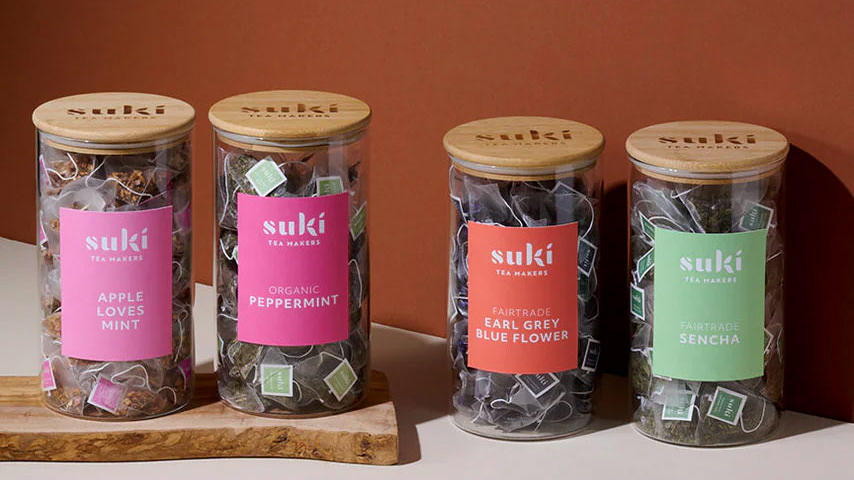
Traditional graphic design often has an ecological footprint due to factors such as the amount of paper used to create designs along with their final outcome, inks that release pollutants into the air and energy used through digital devices. However, with our current climate and awareness as designers to become more sustainable within our practice. One way to achieve this is by using sustainable packaging materials which typically are described as materials ‘produced efficiently and can be disposed responsibly’ (RMCAD, 2024). In regard to biodegradable packaging, materials like cardboard are produced in ways that decreases its carbon footprint and decompose in a short time. In comparison to single use plastics which increases carbon emissions, which stay in landfills for a long time.
Materials aside, there are also ways to reduce waste during actual digital design process to aid in sustainability. To illustrate, considering colour palettes that uses more neutral tones in comparison to vibrant colours. This requires less ink to print, reducing the waste and pollutants released into the atmosphere. Within branding, creating logos that are more minimal with defined lines and selective colouring can reduce waste in the printing process.
Brands that implement these small changes demonstrate how easy and effective it is to introduce sustainability into their design practice. One example is Method’s packaging design uses recycled plastic which are created from post-consumer resin. This change has had a 70% smaller carbon footprint in comparison to traditional packaging.
Emma Fanning, the co-founder of Little Fox Design stated that ‘designers hold a lot of power in the creation process’ (RMCAD, 2024). This summarises why sustainability is crucial as I think many people believe graphic design is merely digital. However, it most often becomes physically within print, whether that is packaging design, publication or branded merchandise. As a designer, sustainability becomes part of ethical responsibility and taking into consideration the life cycle of what you want to create. Within my experience, I believe sustainability should be a core design principle rather than an optional extra. During my final year, this is something I have begun to consider a lot more in depth as I am focusing and including more physical outcomes. Thus, as print has become a lot more prominent within my choices and therefore sustainability is a significant principle to practice.